



Happy Musky Monday Folks! With the season approaching fast, I’m going to spend today covering what I would consider the “basics” for those who are looking to target the slimy beast this year but don’t know where to start.
1. Rod
Choosing the right rod for targeting Musky can make your life much easier. You want to get yourself a 9 or 10 weight rod in whatever model you prefer. It’s not about finesse or delicacy; it’s purely about getting the most efficient cast as often as possible. The high weight rod is more for casting than it is for fighting a fish, as you could probably land a 40” musky on a 6 weight. The problem occurs when you have to cast a 10” fly for 8 hours straight or set the hook on a fish that eats far from the boat. Get yourself a 9-10 weight rod that’s in your price range and you’ll be set.
Choosing the right rod for targeting Musky can make your life much easier. You want to get yourself a 9 or 10 weight rod in whatever model you prefer. It’s not about finesse or delicacy; it’s purely about getting the most efficient cast as often as possible. The high weight rod is more for casting than it is for fighting a fish, as you could probably land a 40” musky on a 6 weight. The problem occurs when you have to cast a 10” fly for 8 hours straight or set the hook on a fish that eats far from the boat. Get yourself a 9-10 weight rod that’s in your price range and you’ll be set.
2. Line
I’m a firm believer that the most important part of a fly rod setup is your line. Similar to car tires, you don’t want to skimp out on the off brand. The first thing you want to do is look at the water you’re going to be fishing and the flies you will be using. If you fish rivers primarily with some current and deep holes, you are going to want an intermediate or sink tip in the 450 grain range. If you’re fishing in the flats on a lake, I’d say you can get away with 300 grain. Similarly, if you’re fishing big flies with spun deer hair heads, you’re going to want the heavier line to turn the fly over and get it down. Trial and error is the key here. I’ve been through 3 lines now and still haven’t found one I’m sold on. I’ve heard of people that buy a line, fish it, then cut off foot long sections until they’re satisfied. For the beginners, I would start out with a 300-400 grain line and fish it. You’ll soon find out which line fits your needs.
I’m a firm believer that the most important part of a fly rod setup is your line. Similar to car tires, you don’t want to skimp out on the off brand. The first thing you want to do is look at the water you’re going to be fishing and the flies you will be using. If you fish rivers primarily with some current and deep holes, you are going to want an intermediate or sink tip in the 450 grain range. If you’re fishing in the flats on a lake, I’d say you can get away with 300 grain. Similarly, if you’re fishing big flies with spun deer hair heads, you’re going to want the heavier line to turn the fly over and get it down. Trial and error is the key here. I’ve been through 3 lines now and still haven’t found one I’m sold on. I’ve heard of people that buy a line, fish it, then cut off foot long sections until they’re satisfied. For the beginners, I would start out with a 300-400 grain line and fish it. You’ll soon find out which line fits your needs.
3. Reel
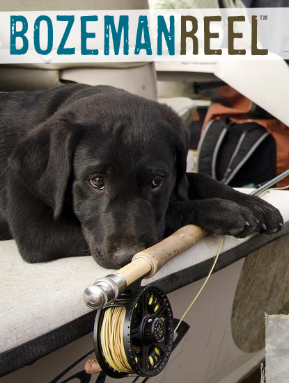
Pick a reel that balances your rod nicely and has a solid drag. I’ve never had a musky make crazy runs, so I don’t think the drag is not as important as it would be, say, Tarpon fishing. Again, pick something that you can afford and casts nice with the rod that you choose.
Pick a reel that balances your rod nicely and has a solid drag. I’ve never had a musky make crazy runs, so I don’t think the drag is not as important as it would be, say, Tarpon fishing. Again, pick something that you can afford and casts nice with the rod that you choose.
4. Flies
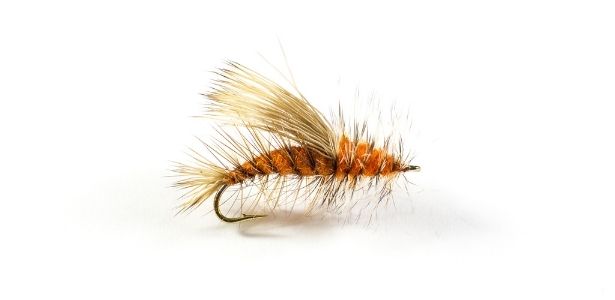
This is a subject that can be argued VERY easily. I’ve seen Musky hooked/caught on everything from a Mister Twister crappie jig, a hellgrammite (Jake), or a live lined sucker. With that being said, there are a few things that I always try to cover: Profile, Color, and Action. A good place to start is to find the species of baitfish you think the Musky are feeding on the most. Musky tend to like “soft fish” (i.e. Suckers, Chubs, Trout, etc.), so if you have a river full of Musky and Smallmouth that doesn’t necessarily mean they are feasting on Smallies. A stomach pumping study on the New River showed that the Musky had actually eaten more ducks/birds than they did bass…so that’s food for thought. Once you find a species, try to mimic it’s Profile, Color, and Action. Musky are lateral line feeders, so flies that “push water” can help get their attention. At the same time, I have had a lot of luck early spring with thin, smaller flies. It all comes down to being prepared for anything and throwing everything you have. Fill your box with big flies, small flies, bright flies, and natural flies. There is a time and place for everything as far as I’m concerned.
This is a subject that can be argued VERY easily. I’ve seen Musky hooked/caught on everything from a Mister Twister crappie jig, a hellgrammite (Jake), or a live lined sucker. With that being said, there are a few things that I always try to cover: Profile, Color, and Action. A good place to start is to find the species of baitfish you think the Musky are feeding on the most. Musky tend to like “soft fish” (i.e. Suckers, Chubs, Trout, etc.), so if you have a river full of Musky and Smallmouth that doesn’t necessarily mean they are feasting on Smallies. A stomach pumping study on the New River showed that the Musky had actually eaten more ducks/birds than they did bass…so that’s food for thought. Once you find a species, try to mimic it’s Profile, Color, and Action. Musky are lateral line feeders, so flies that “push water” can help get their attention. At the same time, I have had a lot of luck early spring with thin, smaller flies. It all comes down to being prepared for anything and throwing everything you have. Fill your box with big flies, small flies, bright flies, and natural flies. There is a time and place for everything as far as I’m concerned.
5. Leader
Building the right leader is crucial. As many of you know, Musky have gnarly teeth and a shit ton of bite pressure. At the same time, your fly line is only rated for 30lbs or so, so you don’t want to just run straight 80lb or wire. My leader recipe from the fly line to the fly is: 1 foot of 25lb flouro, 3 feet of 40lb flouro, then a foot or two of 80lb flouro, then a snap swivel. The swivel helps reduce line twist and makes changing flies a breeze. Plus, 80lb flouro is expensive and you’ll burn through it without a swivel. When constructing your leader, you want to make your knot’s as clean and slim as possible. When you’re figure 8’ing next to the boat, a lot of times your leader will get stripped up into your guides. If it catches on each guide, it’s a real pain in the ass and could cost you a fish. I use blood knots for everything because of their profile, but to each their own…I quit boyscouts so I’m no knot master. A lot of people use wire, but it’s not for me. Call me old school but it just seems too “gear-like”. I’m sure I will think otherwise once that 50” bites right through my 80lb flouro.
Building the right leader is crucial. As many of you know, Musky have gnarly teeth and a shit ton of bite pressure. At the same time, your fly line is only rated for 30lbs or so, so you don’t want to just run straight 80lb or wire. My leader recipe from the fly line to the fly is: 1 foot of 25lb flouro, 3 feet of 40lb flouro, then a foot or two of 80lb flouro, then a snap swivel. The swivel helps reduce line twist and makes changing flies a breeze. Plus, 80lb flouro is expensive and you’ll burn through it without a swivel. When constructing your leader, you want to make your knot’s as clean and slim as possible. When you’re figure 8’ing next to the boat, a lot of times your leader will get stripped up into your guides. If it catches on each guide, it’s a real pain in the ass and could cost you a fish. I use blood knots for everything because of their profile, but to each their own…I quit boyscouts so I’m no knot master. A lot of people use wire, but it’s not for me. Call me old school but it just seems too “gear-like”. I’m sure I will think otherwise once that 50” bites right through my 80lb flouro.
6. Gear
In addition to all of your fly fishing gear, you want to bring yourself a couple extra tools. A Jaw Spreader, Bolt (hook) cutters, a cradle net, and a big pair of pliers. All of these things will come in handy when you land your first Musky. All shit breaks loose when a Musky is in the boat so being prepared can only help. Try to steer clear of Boga Grip type pliers as they can destroy a fish's mouth,
Welp, it's been real fellow Muskians! Good luck chasing the dragon